07
Lost in the Woods
Lost in the Woods
2025
A Study on Lost Places
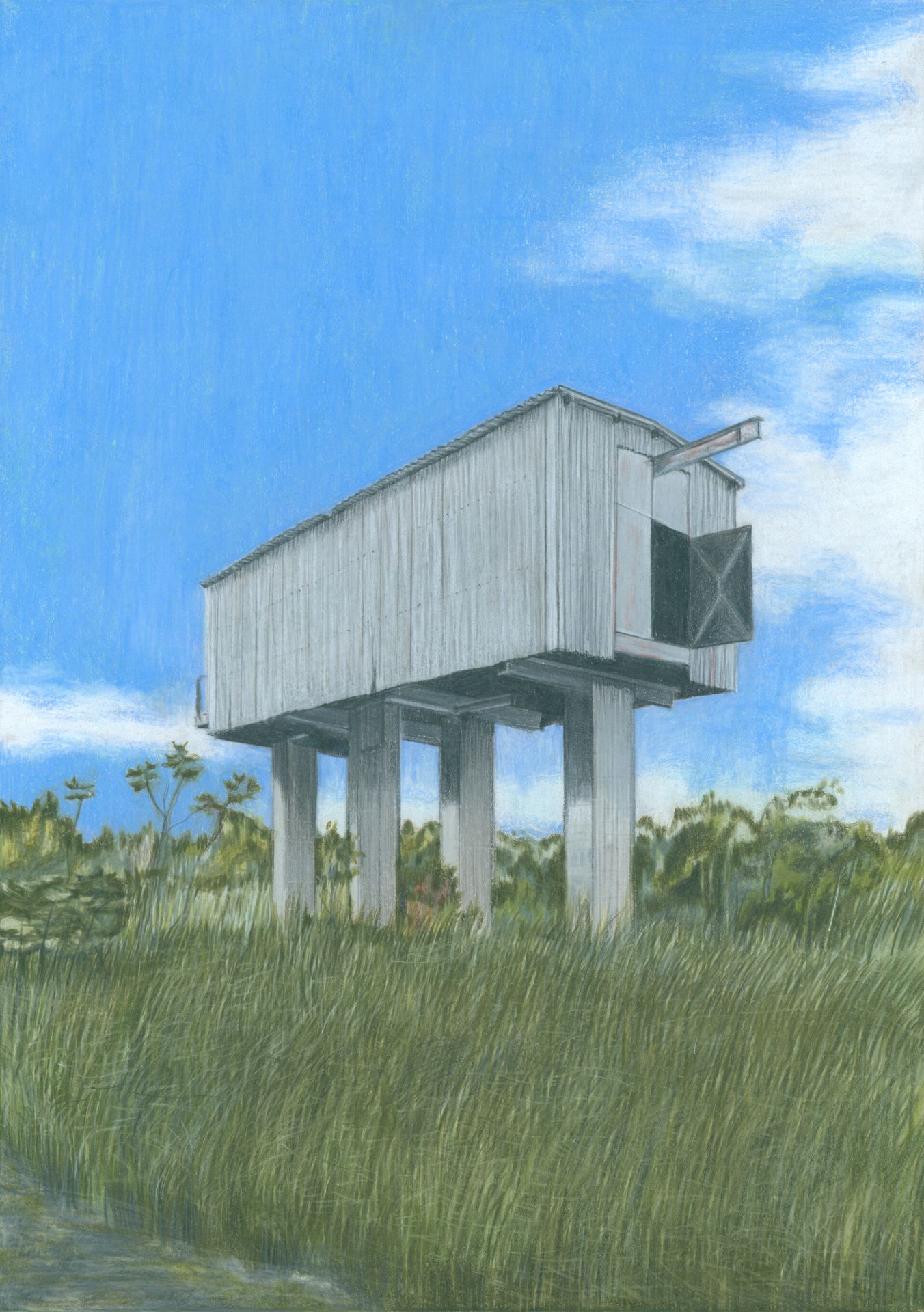
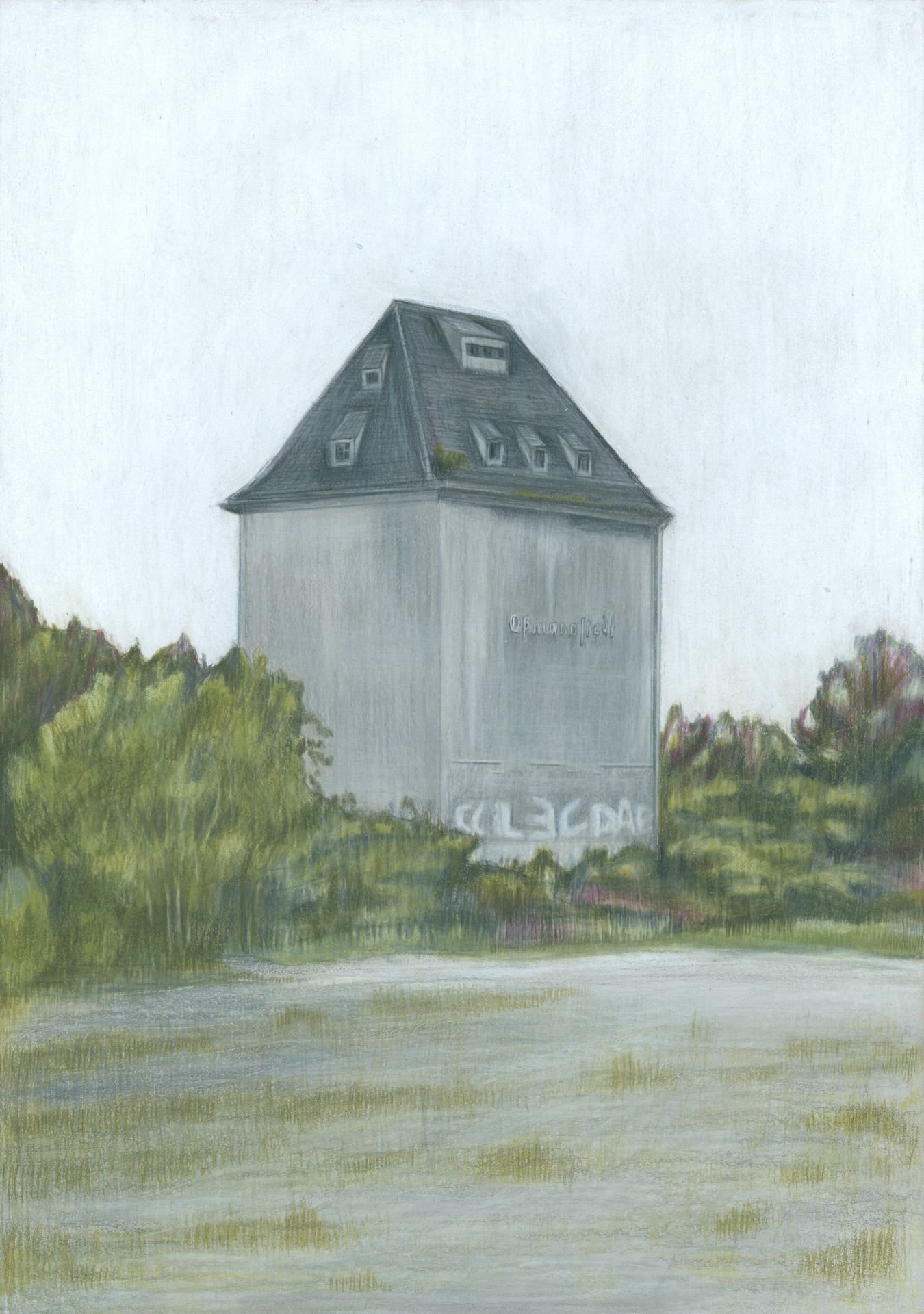
No. 1, 2025. Pencil on paper, 210 × 297 mm
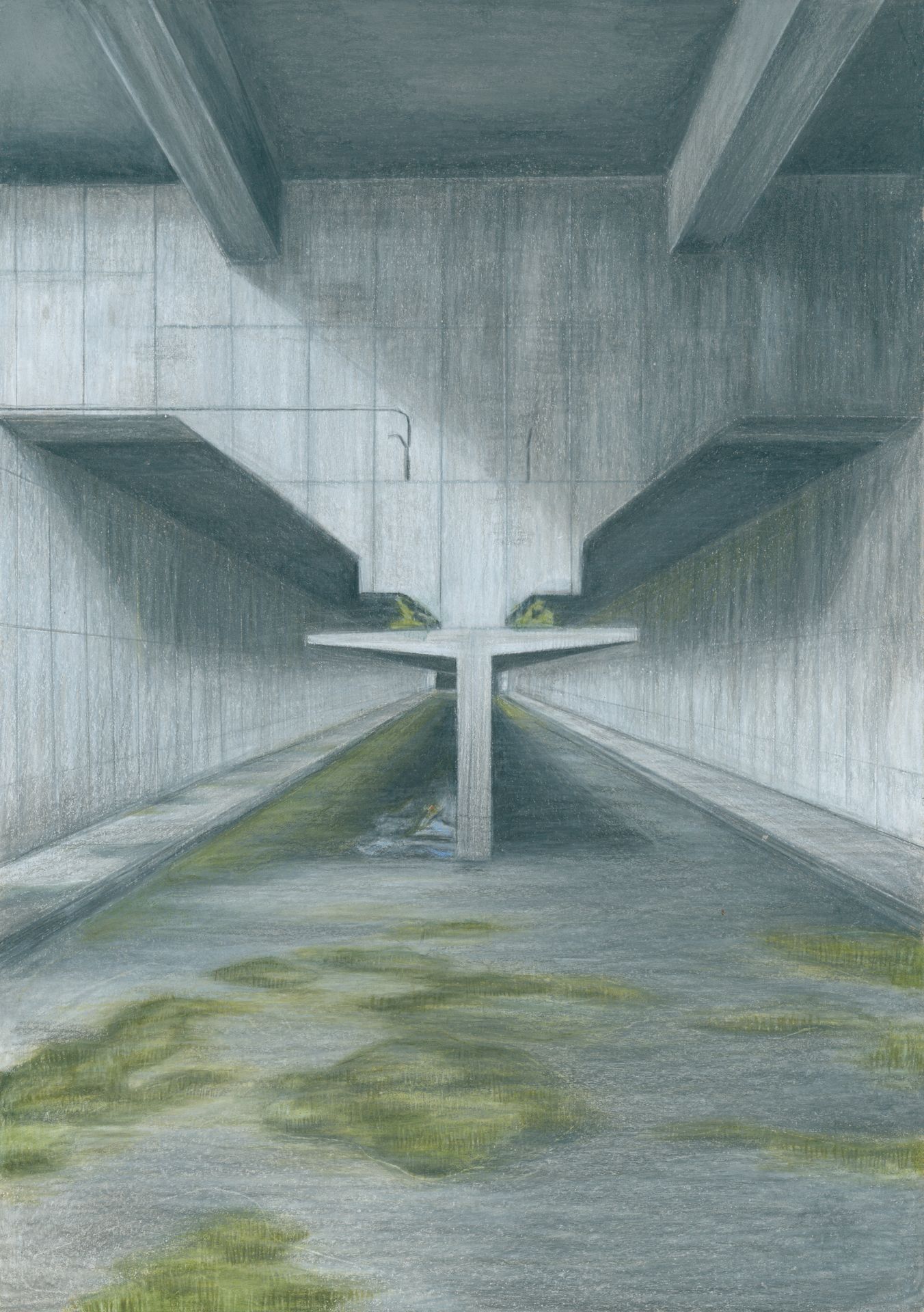
No. 2, 2025. Pencil on paper, 210 × 297 mm
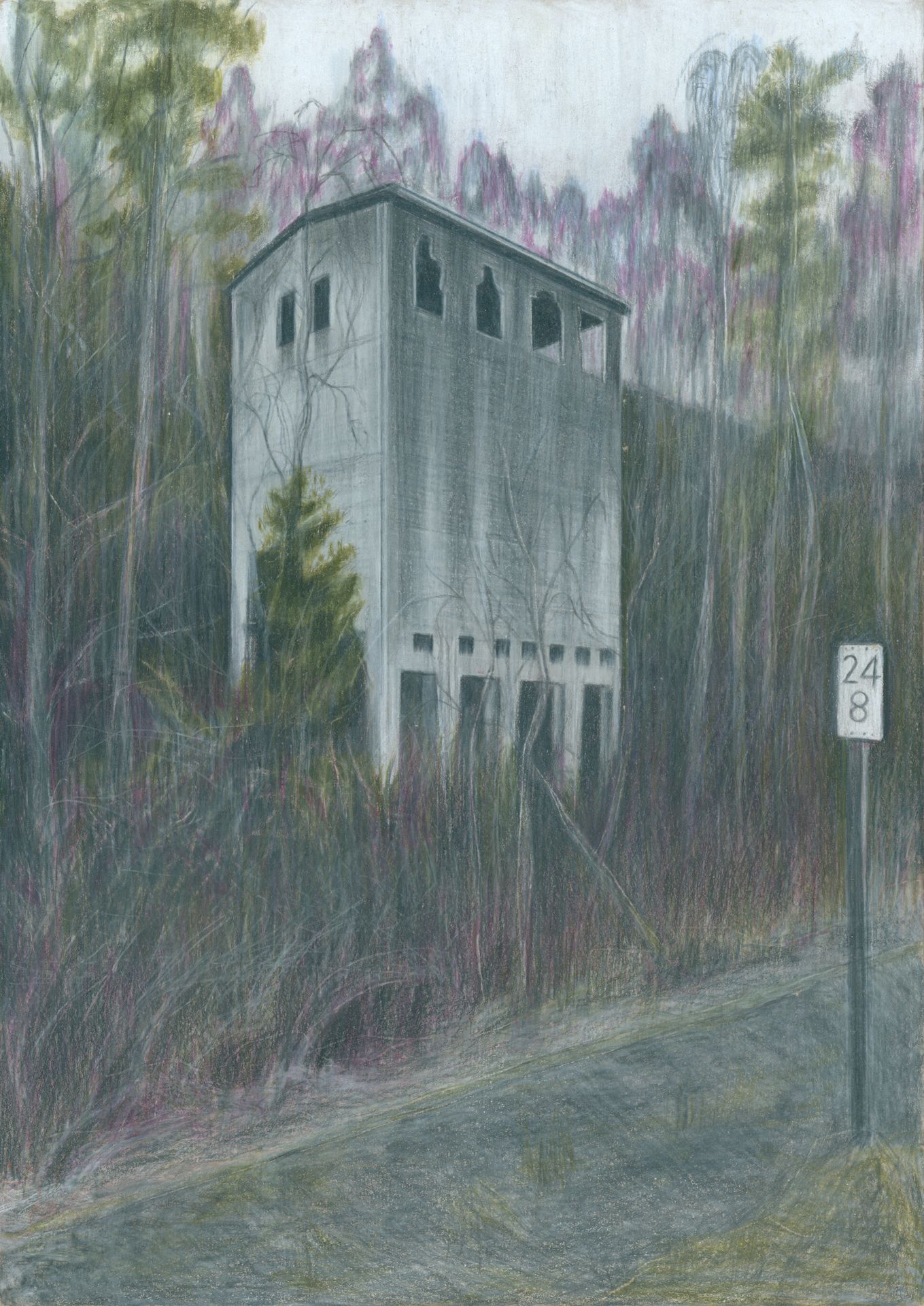
No. 3, 2025. Pencil on paper, 210 × 297 mm
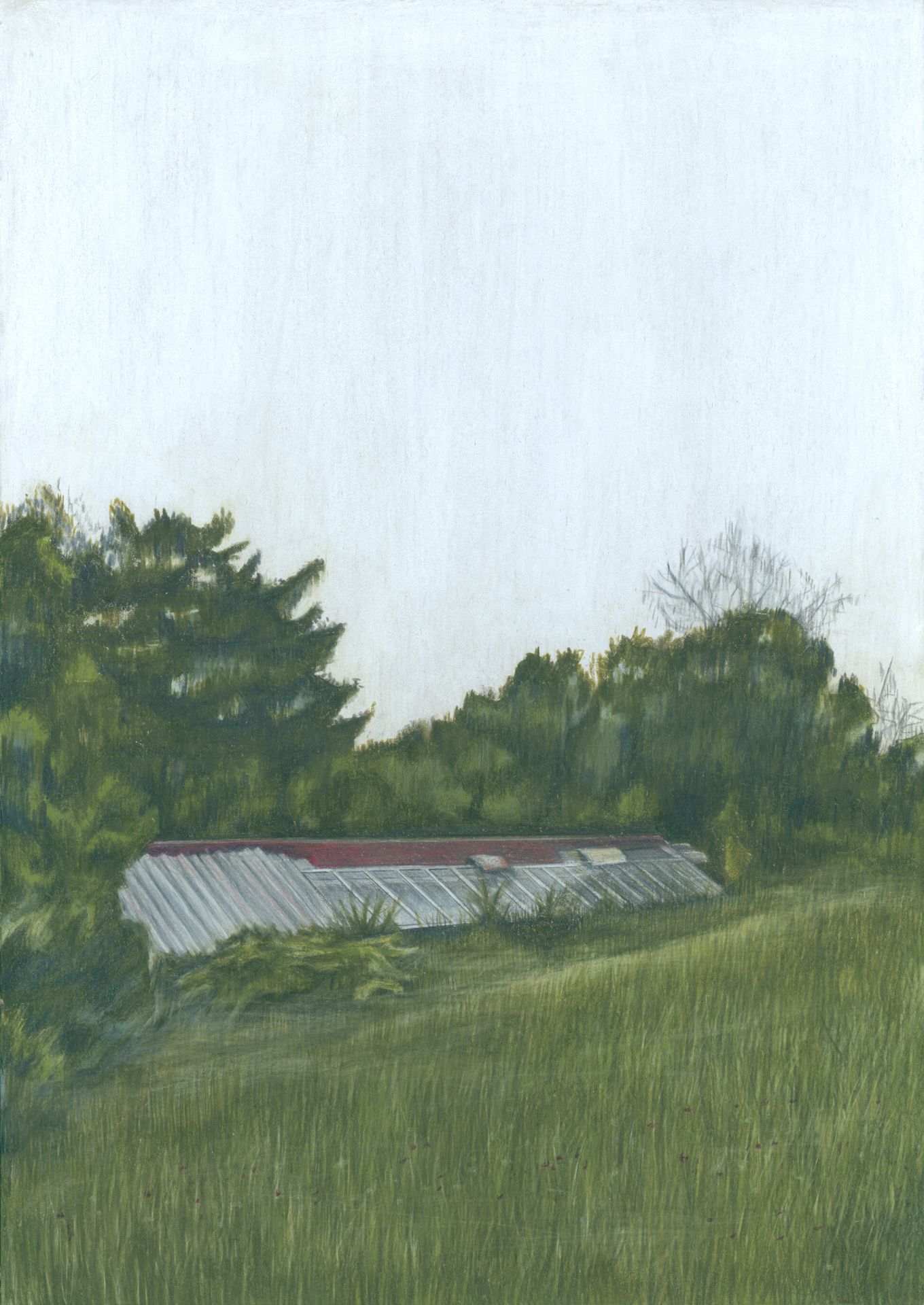
No. 4, 2025. Pencil on paper, 210 × 297 mm
A Study on Lost Places
Text: Mirko Haselroth, Carolin Schmidt, Leo Bockelmann
This article explores the role of social practices in circular design and vacancy activation in rural areas. A case study of an association engaged in this field highlights the importance of knowledge exchange, networks, and social resources in reusing vacant built structures. The results demonstrate that circularity should not be limited
to material flows, but also integrate social aspects to enable the preservation of buildings and promote rural development, extending the concept of embodied energy to include social and cultural values. Introduction – Rising Importance of Circular Design and Re-Use
Recent debates in architecture and planning have seen a growing interest in the development of existing built structures. A key argument is to preserve the embodied energy stored within buildings through the production of raw materials, transportation, and construction. Currently, the construction sector generates half of the absolute waste volume in Germany, making it a predominantly linear system in terms of material flows (UBA 2024). Buildings are designed for specific purposes and periods of use, only to become waste afterwards. In contrast, concepts of circularity aim to keep materials within the cycle, and circular design seeks to create processes and practices that integrate buildings into circular flows. This includes the (potential future) reuse of materials, as well as the continuous use and adaptation of existing structures to meet present demands (Pešta et al. 2023). Therefore, various studies highlight the importance of addressing vacancy and its activation as a key approach for spatial development, rather than relying on greenfield development. The latest German census data reveals a significant variation in vacancy rates across the country (Statistisches Bundesamt 2022). While most metropolitan areas suffer from overheated housing markets and have vacancy rates of less than two percent, post-industrial regions exhibit vacancy rates of over ten percent. For many years, this was considered primarily an Eastern fig 01. Power Station, Thuringiafig 02. Living Lab, Thurigia
German problem. However, the highest vacancy rates can be found in Saxony, Thuringia, and Saxony-Anhalt, as well as in peripheral Western German regions, such as Rhineland-Palatinate, Bavaria, or Lower Saxony, which are experiencing rising vacancy rates. The census data is limited to housing, and there is no more detailed information available on vacancy rates for industrial and commercial buildings. Nevertheless, it can be assumed that general trends coincide. Connecting the issues of a highly resource-consuming construction sector and rising vacancy rates, the activation
of the latter is increasingly considered a potential solution for sustainable spatial development. This approach avoids the resource intensity of new construction and waste disposal. Vacancies and brownfield sites are regarded as opportunities for conversion or adaptive reuse, becoming prominent examples of successful transformation. Hence, the activation of vacancies is increasingly addressed by federal strategies. For example, the German Federal Ministry for Housing, Urban Development and Building has recently published a strategy for action to activate vacancies (BMWSB 2025). Additionally, the Federal Ministry for Agriculture, Food and Regional Identity fosters a project that aims to collect strategies for vacancy activation and disseminate them to various prac-
tical actors, as well as establish a platform for networking (ASG 2025). The strategies for vacancy activation do not have dedicated construction funds, but instead rely on existing subsidies from European and Federal sources,
which can be used for a variety of purposes beyond just vacancy activation. Interestingly, both strategies not only address the tangible aspects of reuse but also focus on the exchange of knowledge between actors involved in vacancy activation. However, these and other efforts may collect and disseminate various approaches, but they remain vague regarding the practical operationalization of vacancy activation. A key reason for this may be the complexity of such processes, which depend on the individual characteristics of each case and can vary significantly, even between similar buildings. Factors such as ownership, contaminatedsites, planning laws, building conditions, and several other aspects contribute to this complexity. Specific knowledge is required to address the unique demands of each vacant site. Therefore, we argue that one of the main barriers to the successful reuse and activation of this material potential is the complexity of projects and the knowledge required to develop the spaces. In this article, we address this
issue by introducing results and experiences gathered in an association which was founded as a platform for the exchange of ideas and knowledge based on the practical testing of strategies in different post-industrial rural
areas. We argue that concepts of circular design should not only cover material and building-related aspects but also social practices and processes, such as the gathering and exchange of knowledge, as well as the knowledge
connected to places. Our guiding research question is: How do social practices of circularity affect the reuse of vacant built structures in rural areas? To date, approaches to circularity have been strongly focused on technological implications and the adaptation of
the current system to material resource constraints (Schulz et al. 2019). Social aspects of consumption, lifestyle changes, and the importance of networks, as well as the exchange of knowledge to establish circular economy practices, have played a minor role in discussions. First, the article will introduce the material and methods used, primarily the case study of an association in Eastern Germany. Afterwards, the results will be described on two levels: the living labs as practical projects and
the institute as a platform for exchange. Finally, these results will be discussed in the context of recent debates regarding circular design and vacancies. Material and Methods – Introducing the Case This article examines an association as a case study to research the importance of social practices for vacancy activation in rural areas. Founded in 2021, the association serves as a platform for the exchange of ideas and
knowledge based on the practical testing of strategies in Eastern Germany. It primarily consists of alumni from a nearby university, including architects, planners, designers, and building practitioners. Different approaches to
reuse are tested in living labs managed by individual members, which are the key element of the institute. The objects are mostly regarded as dispensable, as they are no longer needed for their intended use in a changing economic environment and have been vacant for two or three decades. However, the owners seek to establish new uses that correspond with minimal-invasive structural changes. The association serves as a platform for the exchange of experiences and knowledge gained, especially with regard to administrative concerns and the acquisition of subsidies. Successful strategies tested in the living labs are documented and shared within the association and beyond, using social media and events in both practical and
research-related contexts. In 2024, a conference on the potential of embodied energy for post-industrial regions was launched. Furthermore, the experiences gained serve as the foundation for consulting different public, commercial, and private actors from Eastern Germany dealing with brownfield sites and possible starting points for activation. The article is empirically grounded in data derived from practical experiences and observations made during the activities of the association. As knowledge exchange constitutes a central objective of its work, the collected data is systematically archived in the form of protocols, drawings, and written texts. Furthermore, the findings are visually synthesised to contribute to the development of an atlas of post-industrial rural sites. The images presented depict several of the living labs and further objects connected to the activities of the association in their
original condition. All locations were visited during excursions, although some remain unoccupied. The abstract nature of the drawings deliberately avoids providing specific information regarding the exact location or current state of the sites. Instead, the representations frame the objects as figures embedded within a rural context, inviting multiple associations and interpretative possibilities. Results – The Living Labs. The first living lab and starting point for the association is a grain elevator. Erected in 1941 as a cooperative object, it was used until the 1970s, when larger, centralised grain elevators were built, and smaller units becameredundant. It was sold to a private investor in 1990 and deteriorated over the next three decades; an attached warehouse was demolished around 2000. A significant challenge was gathering information on the ownership,
as the owner no longer lived in Germany. This is somewhat typical for Eastern Germany, where large building stocks were privatised in bundles after 1990, often being resold to various owners, some of whom are no longer aware of their ownership, leading to accumulated debts. However, with substantial research and numerous talks to different actors, the owner was found and willing to sell the object. Since then, the association has begun to develop the elevator as its main seat. Major challenges have included handling the ruderal vegetation that has grown over the last decades, raising EU subsidies to repair the roof, disposing of waste like old tires stored in the basement, and addressing jurisdictional restrictions. According to
the municipality‘s planning, the building was not considered an integrated part of the settlement but rather an agrarian structure, and it was suggested that it should be demolished to offer space for housing in the future. So far, the basement can be used as a workshop, and the ground floor as an office, with minor changes to the built structure. The second living lab, a nursery, consists of a barn and two greenhouses, which, like walipinis, are ground into the earth around one meter. This design offers the advantage that, in winter, the soil is usually not as cold as the surrounding air, allowing plants to overwinter. The nursery supplied the town with plants for two generations
but was closed due to the retirement of the owners. However, a local member of the association began to grow new permaculture, establishing a climate-resilient system of specialty crops like mountain tea, which are sold
to local food service establishments. This has enabled the establishment of new local value chains in rural areas. Nevertheless, the project faces challenges, such as necessary investments to establish the cultures and repair the greenhouses, which may take years before the economic situation stabilises. fig 03.
House raised on stilts, SaxonyIn 2025, a cowshed joined the association as a living lab. The buildings were erected in the 1960s in the context of the industrialization of agriculture and have faced a turbulent history since the 1990s, with various changes in ownership. In 2018, a local theater maker began to develop the place as a theater-shed and establish a festival.
Step by step, the area shall be developed as a place for events and production, open to local and foreign artists. Challenges have included acquiring funds for investment measures and finding a sensible way to deal with inherited waste. Results - The Association as a Platform for Exchange Although the living labs offer a variety of former and future uses, as well as building typologies, they have something in common: the projects were originally initiated by individuals who wanted to activate a vacant structure and started working on it independently. As their activities progressed, they realised that there would be smaller
and larger challenges they had not anticipated. By asking friends and contacts for help, they grew networks of actors and began to connect with people who faced similar problems. For example, after the association‘s head bought the grain elevator, he asked various friends from his college days for help, who now worked in public administrations, universities, and architectural offices. This was the origin of the association and the network of people connected around the object. The key assumption is that knowledge is needed to fit the demands of a specific site. While financial means can be a significant barrier to vacancy activation, a network can also help raise subsidies. Another important aspect is the site-specific knowledge gained through work in the living labs. For instance, this includes knowledge regarding the soil structure and quality in Hohenleuben and its potential fertility for other products, or the location of infrastructures like the former railway connection in Oßmannstedt. Additionally, knowledge from local actors regarding the history of the sites, craftsmanship, or the importance to local com-
munities has been a key factor in solving problems. Especially in rural areas, the knowledge saved in archives or published in architectural journals is limited. The exchange with and openness to the local society is seen as
a central element of the living labs, developing these not as isolated but integrated sites within the villages and strengthening or re-establishing existing bonds towards the places. The activation of vacancies is therefore not only seen as a path towards sustainability in ecological and economic terms but also in social ways.
Based on these experiences, the members decided to move knowledge to the center of their activities and develop the association as a platform for knowledge exchange. Internally, quarterly digital meetings and an annual convention are organised to keep each other updated and coordinate operations. Externally, social media accounts and a homepage have been set up to make the activities visible to a broader public, resulting in various inquiries
reaching the association. In a scientific context, students and lecturers have visited the association, and cooperations like student projects have been established, as well as two Spring Schools with students from various European countries. Furthermore, experiences gained in the living labs and theoretical conclusions have been presented at conferences. Practical stakeholders, such as local authorities in smaller Eastern German cities and private property owners, are reaching out to the association for advice on developing vacant properties. Members can support them by sharing their experience and providing access to their network. In our perception, digital visibility is becoming increasingly important for connecting to existing networks. Discussion - Importance of Social Practices in Circular Design and Vacancy Activation. So far, research into circularity and circular design has often been limited to material flows and tangible aspects. As the case study shows, social practices are of high value in activating vacancies and should be considered an important element in establishing circular practices in architecture and planning. Therefore, the results strengthen the concept of Circular Dynamics introduced by Schröder, which extends material cycles to other flows necessary
to generate sustainability and city resilience on different spatial levels, supporting systemic approaches to cities (Schröder 2022, p. 3f.). An example is the transfer of knowledge and research across distances – an approach that
the association is also pursuing with a focus on rural areas. This encompasses not only the exchange of knowledgefig 04. Silo, Thuringia
between the various stakeholders involved in vacancy activation but also the diverse perspectives of the association’s members from various disciplines. The exchange of this knowledge may also impact their regular work.
Further, the findings allow us to draw conclusions on the debates about the specifics of vacancies in rural areas. In the 1990s and 2000s, vacant structures were more or less commonly seen as a barrier to development, and federal ›Stadtumbau‹ programs were released to transform vacant areas and demolish obsolete buildings. However, this interpretation has especially changed in larger cities in the context of the phenomenon of re-urbanization
since the mid-2000s, with rising population numbers, where vacancies played an important role as development reserves for urban renewal. Particularly, industrial sites have become attractive development hotspots (Oevermann 2021). In contrast, in rural areas, vacancy is still perceived as a large problem, as population forecasts project a further decline, especially in post-industrial rural areas (Maretzke/Hoymann/Schlömer 2024: 11-14).
Therefore, demolition is often seen as the only option for vacant structures, fostered with public means, although this is contrary to the goals of circular economy and circular design, particularly keeping in mind that building
waste usually does not get reused but is disposed of in growing landfills – or in best case – downcycled for road construction.
The studied case shows that even if vacancies are successfully activated, approaches cannot be easily compared to urban areas, where such processes are usually driven commercially. In contrast, reused building areas are more de-
pendent on public funding, have a lower use intensity, and maintenance measures often must be applied without a mandatory use, just to slow down decay, which overall makes it not self-sustaining in established economic ways. Therefore, networks and informal connections to public stakeholders are quite important. Based on these findings, existing definitions of grey or embodied energy can be extended by including social aspects. So far, embodied energy is defined as a concept grounded in construction physics, covering physical
aspects, namely the energy accumulated over the whole life cycle of a building (Gugerli et al. 2008). It is clearthat social practices are more difficult to anticipate and analyse, but this does not diminish their relevance. The investigation has shown that, in addition to social aspects like the knowledge connected to sites and its perception, these are important parts of existing structures and their activation. They are not only witnesses to building techniques and material flows but also represent social and cultural values and might serve as important anchor
points for local identification (Bockelmann 2023).
Conclusion This article asked how social practices of circularity affect the reuse of vacant built structures in rural areas and conducted a case study along an association in Eastern Germany. The results show that the activation of vacancy is strongly dependent on social resources, especially knowledge and networks. Therefore, it strengthens existing findings that knowledge and its exchange are important factors in the growth of the circular economy, although they have not been a central focus of research to date. Circularity, in general, and circular design, in particular,
should not be restricted to material flows but further integrate social aspects across spatial dimensions. Establishing circular flows in this regard does not only mean designing materials for reuse but also exchanging knowledge as the base principle to enable the preservation of buildings. The case study shows that the multitude of perspectives is often a key factor in the activation of buildings, which usually are not considered to have a perspective for reuse but only for demolition, with no vision for the future.
Still, one should be aware that the results are limited, as the article introduces a single case study that cannot cover all aspects relevant for vacancy activation. More knowledge is needed on why so many vacant sites are not developed, and instead, even in peripheral areas, new construction often dominates. Overall, the study shows that circular design should be comprehended as an integrated social practice and can serve as an important factor for rural development. fig 05.
Living Lab, ThurigiaDisclosure Statement: This abstract has undergone language model assistance (Llama 3.3) for proofreading, with
minor adjustments made to phrasing and grammar for accuracy and consistency.